Lost worlds and ports of call

Tag: Little Books

Three Little Books

I’ve arrived relatively late to the party when it comes to the series of tiny hardcover books from Borderlands Press (BP). And so, I’ve missed out on a quintet of hard-to-find entries in this series. They’re now up to 69 (I think) books, ranging from modern writers to classic writers. The current series focuses on early twentieth century writers (yet, where is Clark Ashton Smith, I wonder?), and they just announced the next book, featuring W. W. Jacobs (!?).

Also, Borderlands Press recently announced plans to feature present writers of horror/dark fantasy at the same time as they reduced the number of copies from 500 to 350 for each book. Their past master series has featured some well-known and some relatively unknown writers, and this trend continues.
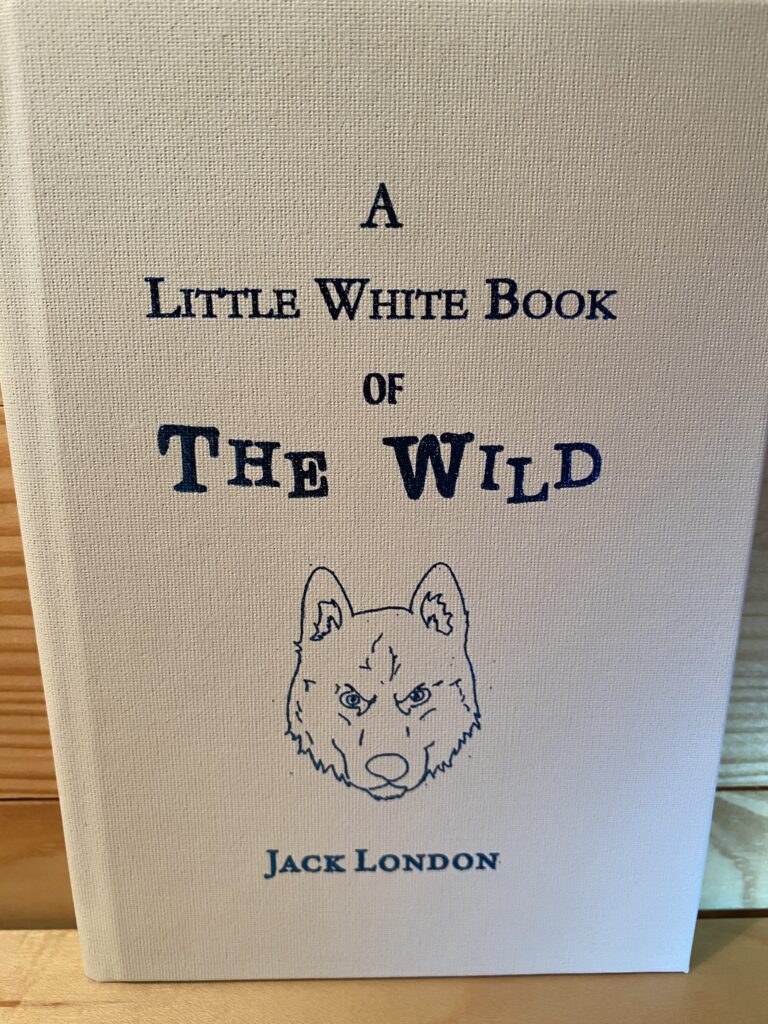
A Little White Book of the Wild, by Jack London (2026). Edited by John DeChancie, signed and numbered, my copy is #54 of 350 copies. Five stories are collected here, including perhaps London’s most famous short story, “To Build a Fire.” London is well-known for his novels set in Alaska – White Fang and The Call of the Wild. His dystopian novel, The Iron Heel, has largely been forgotten. DeChancie writes a crisp introduction, covering London’s life and politics, with a powerful final paragraph that cries out for more research and illumination. Regardless, London’s fiction is memorable and important. He was a force in American literature in the early twentieth century, and well-worth reading to this day.
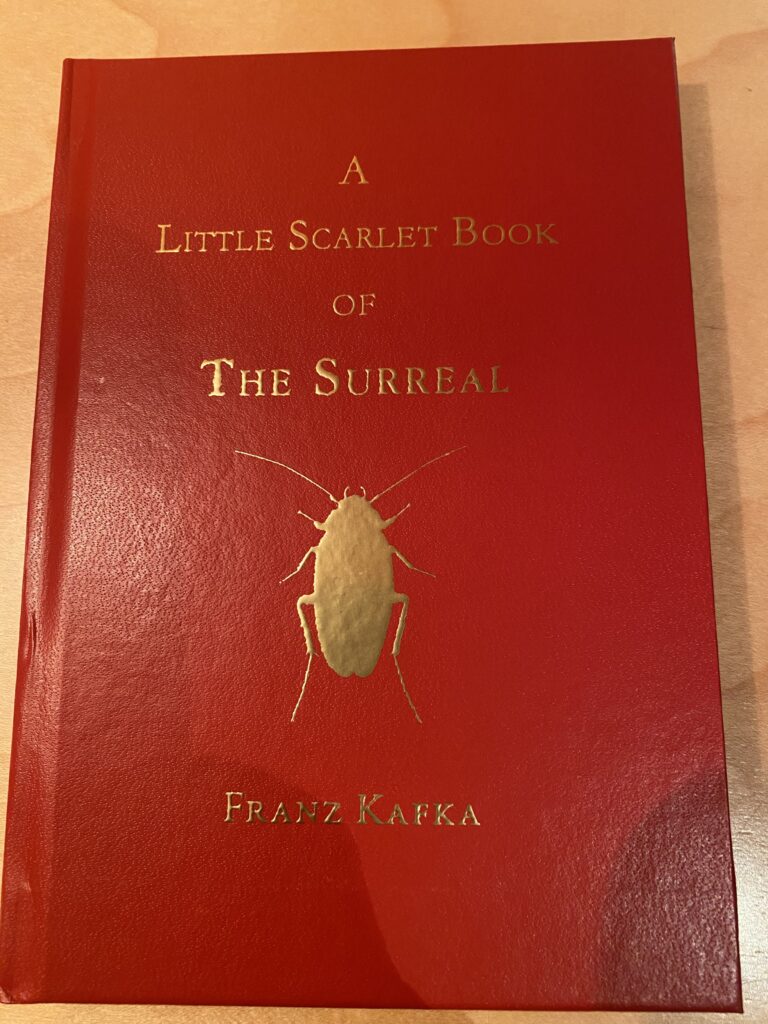
A Little Scarlet Book of the Surreal, by Franz Kafka (2026). Edited by Ben Keefe, signed and numbered, my copy is #65 of 350 copies. I was traveling when this book was released. It sold out quickly, and so I had to wait until it was listed by a dealer, in this case someone who had several copies for sale at a price just slightly above the original publisher’s price. Kafka is best-know for his cockroach story, “The Metamorphosis” (1915) as well as the novels The Trial (1924) and The Castle (1926). The term Kafkaesque is well-known, and I used it myself a few years ago in an essay or book review when I edited Prometheus, the Journal of the Libertarian Futurist Society. Kafka was a tortured person, and thankfully his works were not destroyed after his early death, as he wished. This collection gathers eight stories, including the memorable story he wrote shortly before his death, “The Hunger Artist.”
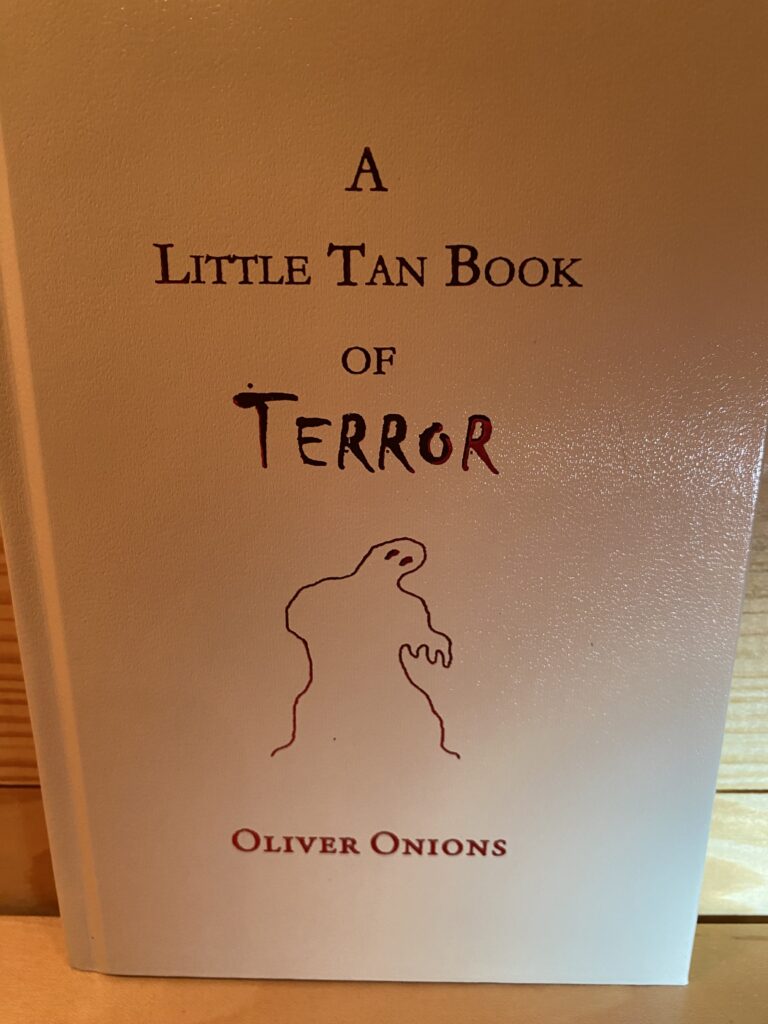
A Little Tan Book of Terror, by Oliver Onions (2026). Edited by Thomas F. Monteleone, signed and numbered, my copy of #33 of 350 copies. The cover’s ghost illustration is a near-duplicate of Rick Hatula’s book, A Little White Book of Ghost Stories, published in 2015, though the image is shrunk down from that book’s full-size image down to a modestly sized one that fits between the title and author. Only six of Onion’s stories appear here, and just one of his most famous one tales. Onions died in 1961, now largely forgotten. If recall, he’s mostly remembered for a handful of quiet ghost stories, such as “The Beckoning Fair One,” a tale of slow madness. Is “terror” the right word here? I’m not sure. “The Beckoning Fair One,” as an example doesn’t convey terror to me, but then I’ve read far darker horror than readers who first encountered Onion’s stories nearly a century ago.

As Borderlands Press wraps up it’s series on classic writers, it will be interesting to see who they feature from modern writers of horror. This would harken back to the days when they first started this series of Little Books, which featured writers such as Joe R. Lansdale, Peter Straub, F. Paul Wilson, and others. That was more than twenty years ago, and by then those writers were already famous. It’s a shame, though, that BP dropped the number of copies down from 500 to 350. For collectors and aficionados of horror and dark fantasy, one has to act quickly to get these books before they sell out. Maybe that’s the goal. Maybe there are other reasons. Anyway, as they say, “stay tuned.”
Books Added: A Quintet of Little Books

Ah, the Little Book series from Borderlands Press. Somehow I suckered myself into trying to collect these books, before I knew what a daunting task lay ahead. To date—Spring 2024—almost 60 little books have been published in the series; I lack nine of the books, all impossibly priced. Although sold by the publisher for around $30 (and rising, not including what I see as an excessive shipping charge), almost all the books go out of print quickly. A few are available on places like eBay or ABE Books from dealers, usually marked up depending on the name recognition of the author. The hard to find books are priced accordingly, and those Nazgul Nine remain outside my current budget.

The series started back in 2003 with John Maclay’s vampire stories, and continued at irregular intervals with a few books each year (although there seems to have been a gap between 2005 and 2014). The most recent edition is a set of stories by perhaps one of the most famous names in horror fiction. No, not Stephen King—H. P. Lovecraft. This lean-faced misanthrope from Rhode Island is loved by some, hated by others, indebted by almost all modern fantasy and horror writers (whether they admit it or not). Lovecraft’s little book was published in March 2024, edited by S. T. Joshi. It’s part of a series of “past masters of horror” and followed another famous name–Robert E. Howard. In order of when they were acquired, here are the most recent additions to my Little Book collection.

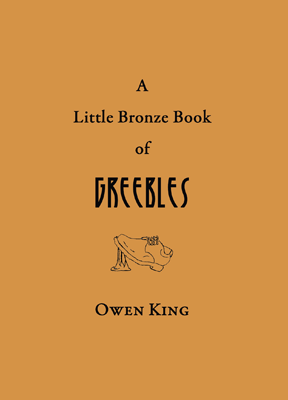
Owen King, A Little Bronze Book of Greebles. #PC of 500. Part of the set of books in Volume 3 / Series III and signed by Owen King. It contains mostly short pieces of commentary, plus a couple of short stories. If it’s limited to 500 copies as my book says, then how come there are PC versions?

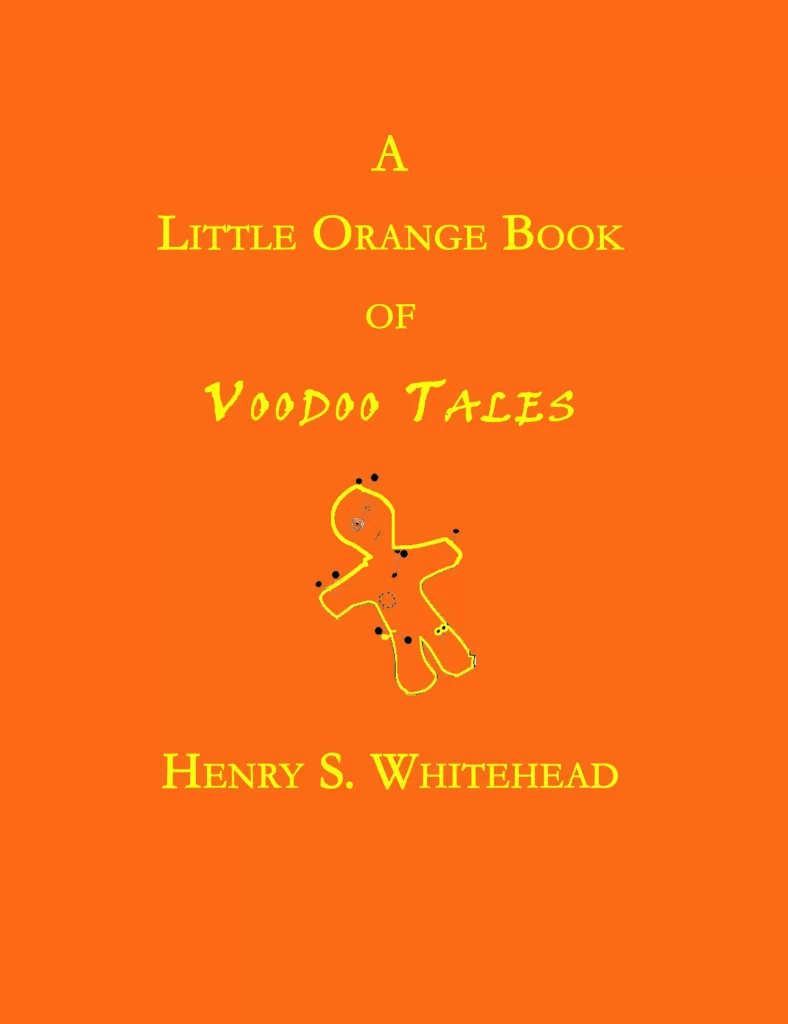
Henry S. Whitehead, A Little Orange Book of Voodoo Tales, #99 of 500. Signed by editor, Thomas Tessier, it contains five short stories. Until I bought this book I’d not heard of Whitehead. Past of the Volume 3 / Series IV, also known as the “Past Masters of Horror” grouping, as are the following three books. These books tend to sell out shortly after publication. Several of the past master of horror are unknowns. Getting them back in print, even just a few stories, is a great feat.

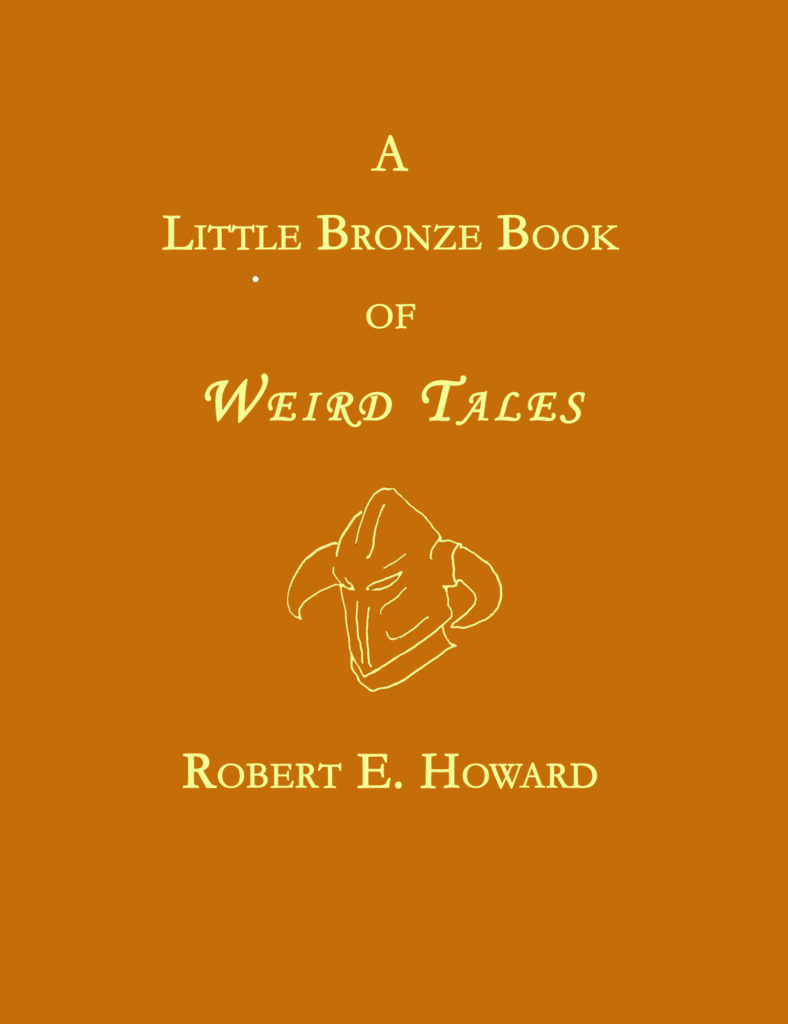
Robert E. Howard, A Little Bronze Book of Weird Tales, #28 of 500. Signed by editor, P. Gardner Goldsmith, it contains 11 short stories. Most, if not all, of REH’s stories have been collected elsewhere. I have only a few of Howard’s books, all paperbacks of various hue. He’s a major influence on the field of fantasy, though is known mainly for his Conan character. Died tragically by his own hand at the young age of 30. Might have become a major American writer had he lived. My copy has a sad spine lean, though I bought it directly from the publisher. Already sold out, which is not surprising.

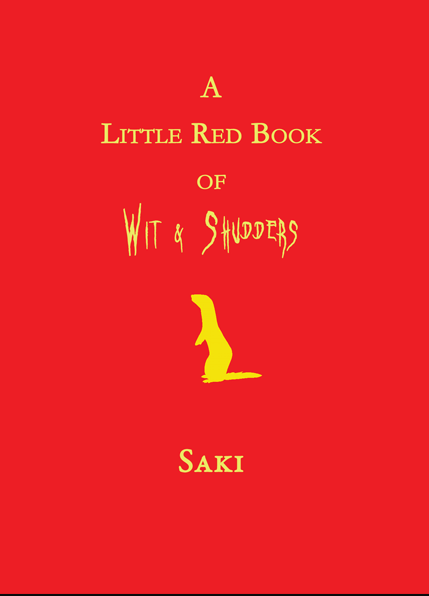
Saki, A Little Red Book of Wit & Shudders, not numbered, but signed by the editor, Stuart Davis Schiff. Supposedly limited to 500 signed copies, but is that really the case? This Saki book doesn’t have any numbering. My Owen King book is marked as PC, aka presentation copy, so it does appear there are more than the advertised 500 printed up and signed. I have seen other copies of this title listed for sales on the second-hand market and advertised as “numbered X of 500,” so did they just print extra copies for the fun of it? I bought this from a dealer, so who knows. Contains 18 short-short stories–the book is only around 150 pages long, so that averages to just over eight pages per story.

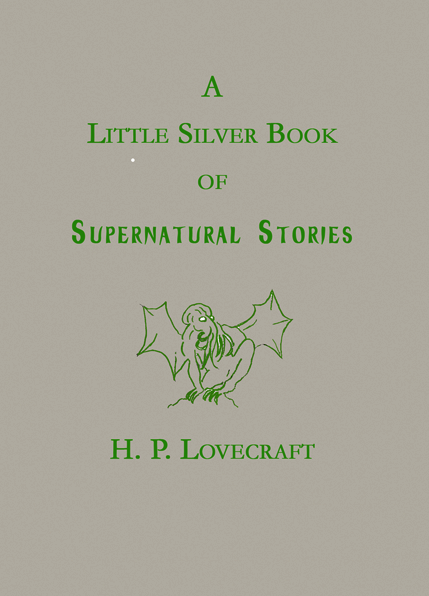
H. P. Lovecraft, A Little Silver Book of Supernatural Stories, #290 of 500 copies, and signed by the editor, S. T. Joshi. Contains nine stories, all likely appeared elsewhere many times. But, what’s a Past Masters of Horror series without Lovecraft? There was a time when it was impossible to find any of Lovecraft’s fiction, unless you sought out Arkham House editions. These days Lovecraft is big business, with multiple multi-volume editions of his work churned out almost annually. Perhaps he slipped into the public domain, or maybe he experienced the same posthumous rise to fame as Philip .D. Dick. Although, in terms of the latter, I’m sure the Blade Runner movie started that industry of books and movies.

I guess the next book in the series has to be Clark Ashton Smith. I’m a huge CAS fan, and have read most of his stories, so there won’t be anything new there if that’s the case. Other possible names in this series include Fritz Leiber, maybe Manley Wade Wellman, or Lord Dunsany. Even James Branch Cabell is a candidate. There’s a scarcity of female writers in this series, so that’s an area that might need attention.

As far as the Little Books series goes, as a “haphazard collector” I am resigned to not having the complete series here; I’ll get what I can find, or try to just keep up with the series now.

As a matter of trivial knowledge, there are only 24 unique colors spread among the nearly 60 books. Of these, five colors have four books each, nine have three colors, one with two, and nine again with unique colors. So far no one’s managed to come up with A Little Book of Turquoise Turgid Tales or A Little Book of Pink Phantasies (hello, future editor of George MacDonald stories…). I don’t mean to overly question the editors or publishers, but surely there are other options aside from black, purple, orange, and red?

© 2026 Anders Monsen

Theme by Anders Noren — Up ↑

css.php